

PMOS (PCOS) Causes and Triggers Latina Women Need to Know
PMOS(PCOS) can feel confusing because the advice online is often too extreme, too bland, or completely disconnected from real life. One day carbs are blamed. The next day dairy, stress, tortillas, rice, fruit, or even café con leche get put on the “never again” list.
The truth is more layered and more hopeful.
PMOS(PCOS), or polycystic matabolic ovarian syndrome, is a hormonal and metabolic condition. It is not caused by one food, one habit, or one mistake. For many Latina women, symptoms can show up or worsen when genetics, insulin resistance, inflammation, stress, sleep, and hormone changes all overlap.
This post explains what causes PMOS(PCOS), what can trigger symptoms, and how to think about food in a realistic way without giving up cultural meals that bring comfort, family, and joy.
This article is for education only and does not replace medical advice. Always work with a qualified healthcare provider for diagnosis and treatment.

PMOS(PCOS) usually starts with hormones and insulin
To understand PMOS PCOS Causes and Triggers Latina Women Need to Know, start with two key players: insulin and androgens.
Insulin is the hormone that helps move sugar from the blood into the cells for energy. In many people with PMOS(PCOS), the body has a harder time responding to insulin. This is called insulin resistance.
When insulin stays high, it can signal the ovaries to make more androgens. Androgens are often called “male-type hormones,” but all bodies make them. In PMOS(PCOS), higher androgen levels can contribute to symptoms like:
Irregular periods
Acne
Chin, chest, or upper lip hair growth
Thinning hair on the scalp
More cravings or hunger swings
Weight gain that feels hard to manage
This is why “just eat less” advice often fails. PMOS(PCOS) is not only about willpower. It involves hormone signals that affect appetite, energy, ovulation, and how the body stores fuel.
What causes PMOS(PCOS) is not one single thing
Many people search for what causes PCOS because they want a clear answer. The honest answer is that PMOS(PCOS) has more than one root contributor.
The most common PCOS causes include:
Genetic tendency
Insulin resistance
Higher androgen levels
Low-grade inflammation
Stress hormone changes
Sleep disruption
Environmental and lifestyle factors
None of these mean someone “caused” their condition. They simply explain why symptoms may appear, change, or intensify over time.
Genetics can raise the risk
The connection between genetics and PMOS (PCOS) is real. PMOS(PCOS) often runs in families. If a mother, sister, aunt, or cousin has irregular periods, fertility challenges, diabetes, or symptoms linked to high androgens, that family pattern may matter.
Genes can influence how the body handles insulin, produces hormones, stores fat, and responds to inflammation. Still, genetics are not destiny. They can increase risk, but daily habits, medical support, nutrition, movement, stress care, and sleep can help influence symptoms.

What triggers PMOS(PCOS) symptoms day to day
A trigger is not always the original cause. A trigger is something that can make symptoms more noticeable.
For example, someone may have a genetic risk for PMOS(PCOS), but symptoms may flare during a season of poor sleep, high stress, irregular meals, or rapid weight changes.
Common triggers include:
Skipping meals or going too long without food
Long gaps between meals can lead to blood sugar dips, stronger cravings, and overeating later. For PMOS(PCOS), steady meals can support more stable insulin and energy.
That does not mean eating perfectly. It may mean adding protein to breakfast, pairing coffee with food, or keeping a snack available during a busy workday.
Eating mostly refined carbs by themselves
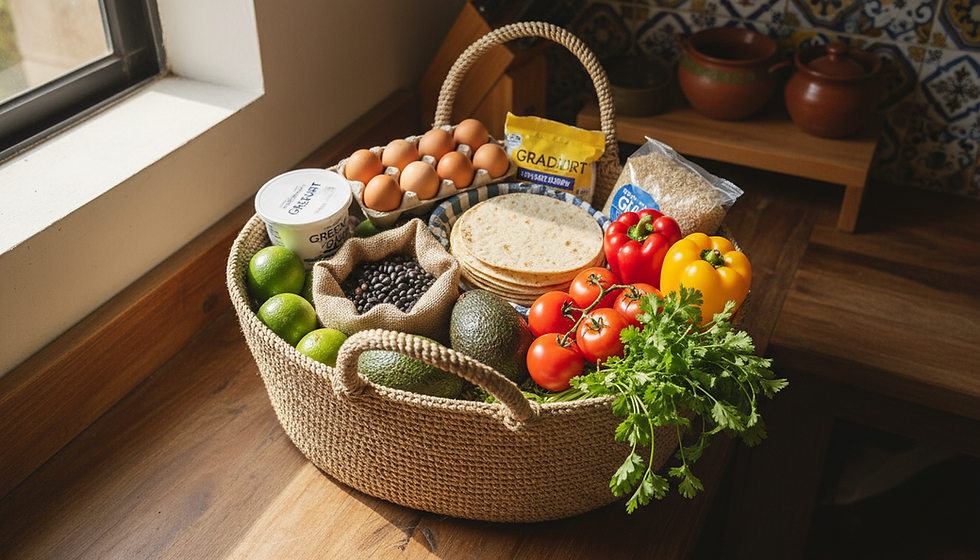
Carbs are not the enemy. Many cultural staples can fit well, including rice, beans, tortillas, plantains, yuca, potatoes, and fruit.
The issue is often how carbs are paired. A large portion of refined carbs alone may spike blood sugar more quickly. A more supportive plate might include:
Rice with beans, chicken, salsa, and avocado
Corn tortillas with eggs, pico de gallo, and sautéed veggies
Plantains with protein and a fiber-rich side
Oatmeal with chia, nuts, cinnamon, and Greek yogurt
This keeps familiar foods on the table while making the meal more hormone-supportive.
Chronic stress
Stress affects cortisol, blood sugar, appetite, digestion, and sleep. For Latina women carrying work, family, caregiving, and cultural expectations, stress can become constant.
Cortisol is not “bad.” The body needs it. But when stress stays high, PMOS(PCOS) hormones may feel harder to regulate. Periods may become more irregular, cravings may rise, and fatigue can get worse.
Poor sleep
Sleep helps regulate insulin, hunger hormones, and reproductive hormones. Too little sleep can increase cravings and make blood sugar harder to manage the next day.
Simple routines can help. A consistent bedtime, less screen time before bed, and eating enough during the day can support better rest.

PMOS(PCOS) hormones can affect more than periods
PMOS(PCOS) hormones influence ovulation, skin, hair, energy, mood, and metabolism. This is why symptoms can feel connected even when they seem unrelated.
High androgens may affect acne or facial hair. Insulin resistance may affect cravings and fatigue. Irregular ovulation may affect cycle length and fertility. Inflammation may affect how the body feels overall.
A helpful approach looks at the whole pattern instead of chasing one symptom at a time.
Medical support may include lab testing, cycle tracking, insulin and glucose markers, thyroid evaluation, and treatment options such as lifestyle care, medications, or supplements when appropriate. Nutrition support can work alongside medical care, especially when it respects culture and lifestyle.
A realistic PMOS(PCOS) nutrition mindset
Many women are told to cut out entire food groups. That can create guilt, fear, and the feeling that healing requires abandoning family foods.
A more realistic approach focuses on what to add and how to combine foods.
Try building meals around:
Protein
Eggs, fish, chicken, turkey, lean beef, tofu, Greek yogurt, beans, or lentils.
Fiber
Vegetables, beans, fruit, chia, flax, oats, corn tortillas, and whole grains.
Healthy fats
Avocado, olive oil, nuts, seeds, and fatty fish.
Satisfying carbs
Rice, tortillas, potatoes, plantains, yuca, oats, and fruit in portions that feel good for your body.
This style can support blood sugar without turning meals into a punishment. It also leaves room for celebrations, abuela’s recipes, and food memories that matter.

The takeaway on PMOS(PCOS) causes and triggers
PMOS(PCOS) is not caused by eating rice, enjoying tortillas, or lacking discipline. It usually comes from a mix of genetics, insulin resistance, androgen changes, inflammation, stress, sleep, and other body signals.
The goal is not perfect eating. The goal is learning how your body responds and building meals, routines, and support that feel doable.
Start with one small shift. Add protein to breakfast. Pair carbs with fiber and fat. Eat before cravings take over. Prioritize sleep when possible. Track symptoms without judging yourself.
PMOS(PCOS) care can be practical, culturally respectful, and nourishing. Food should support hormone health without taking away the flavors, traditions, and connection that make meals meaningful.


Comments