

PMOS (PCOS) Symptoms Worse? Stress, Sleep, and Symptom Management for Latina Women
Some weeks, PMOS (PCOS) feels louder. Cravings hit harder. Energy drops. Bloating shows up. Periods feel even more unpredictable. Skin flares right before an event. Then the internet says to quit tortillas, fruit, rice, cafecito, dairy, gluten, and joy.
That kind of advice can make symptoms feel even more overwhelming.
PMOS (PCOS) symptom management is not about being stricter with food until life feels smaller. For many Latina women, symptoms often make more sense when nutrition, stress, sleep, movement, and culture are all part of the conversation. Food matters, yes. So do hormones, insulin, cortisol, rest, family routines, work stress, and the reality of living a full life.
This article is for informational purposes only and does not replace medical care. If symptoms change suddenly, become severe, or affect daily life, a qualified health professional can help rule out other causes and guide treatment.

Why PMOS (PCOS) symptoms can feel worse during stressful seasons
Stress does not cause PMOS (PCOS), but it can affect how symptoms show up. When stress stays high, the body may release more cortisol. Cortisol is part of the body’s normal stress response, but when it remains elevated often, it can influence blood sugar, cravings, sleep, inflammation, and energy.
That is one reason the connection between stress and PCOS gets so much attention.
Common stress-related shifts may include:
Stronger cravings for sweets or refined carbs
More afternoon fatigue
Trouble falling asleep or staying asleep
More emotional eating
Increased bloating or digestive discomfort
Skin flare-ups
Less motivation to move or cook
None of this means there is a willpower problem. It means the body may be asking for more support.
For example, a long workday followed by errands, family responsibilities, and little food can set up a familiar pattern. By nighttime, hunger feels urgent. A quick meal turns into grazing. Sleep gets pushed later. The next morning starts with low energy and more cravings.
The goal is not perfection. The goal is to lower the pressure on the body in small, repeatable ways.
Food support does not mean giving up cultural foods
Nutrition advice for PMOS (PCOS) often sounds like a long list of foods to avoid. That can feel especially frustrating when favorite meals are tied to culture, family, comfort, and everyday life.
A more realistic approach is to build meals that support blood sugar while keeping familiar foods on the plate.
Think about adding before removing.
A balanced plate can include:
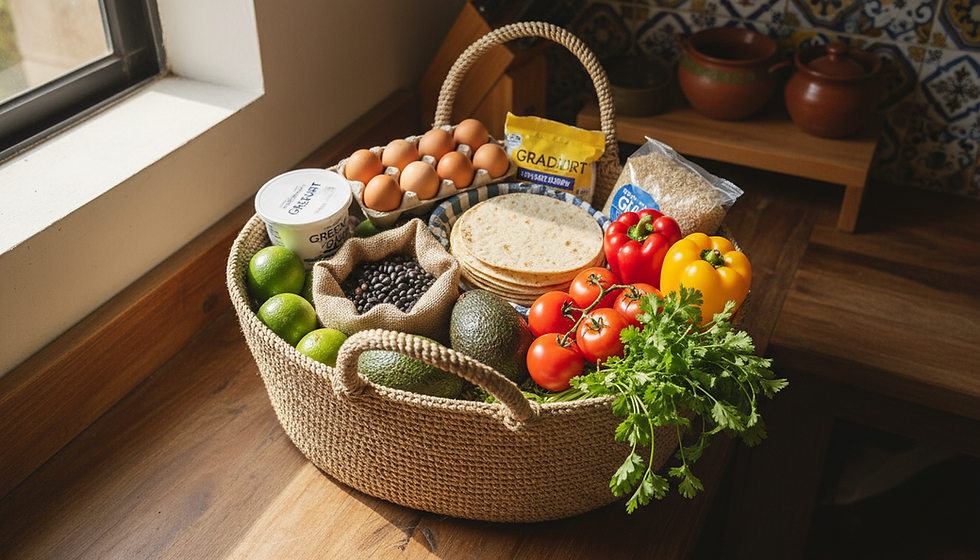
Protein Eggs, chicken, fish, turkey, Greek yogurt, tofu, beans, lentils, or queso fresco in a portion that works for the body
Fiber-rich carbs Corn tortillas, rice, beans, plantains, potatoes, oats, fruit, or whole-grain options
Healthy fats Avocado, olive oil, nuts, seeds, or fatty fish
Color and volume Salsa, nopales, peppers, spinach, calabacitas, cabbage, tomato, or a simple side salad
This could look like huevos con tortillas and avocado. It could be arroz con pollo with beans and a side of vegetables. It could be tacos with grilled fish, cabbage, salsa, and a satisfying portion of tortillas.
No single food makes or breaks PMOS (PCOS). What tends to matter more is the overall pattern, including meal timing, protein, fiber, satisfaction, and consistency.

Sleep can change cravings, energy, and hormone rhythm
The conversation about sleep and PCOS matters because sleep is not just rest. It helps regulate appetite hormones, blood sugar response, stress recovery, and energy.
When sleep runs short, the next day can feel harder. Hunger may feel stronger. Cravings can feel less negotiable. A normal task, like packing lunch or cooking dinner, may feel exhausting.
A gentle sleep routine does not need to be complicated. Start with one or two changes that feel possible.
Try these simple supports:
Set a loose bedtime window most nights
Eat enough during the day so nighttime hunger is not intense
Keep caffeine earlier in the day, especially if sleep is light
Charge the phone away from the bed when possible
Create a small wind-down cue, such as tea, stretching, prayer, reading, or a shower
If late nights are part of family life or shift work, focus on what can be controlled. A consistent wake time, a protein-rich breakfast, or a short nap may still help.
Sleep is not a moral issue. It is a body support.

Movement should support the body, not punish it
When PMOS (PCOS) symptoms feel worse, exercise advice can get confusing. Some messages push intense workouts. Others warn against doing too much. The better question is how movement affects energy, stress, sleep, and consistency.
Helpful movement can be simple:
A walk after meals
Strength training a few times per week
Dancing while cleaning
Stretching before bed
A short home workout
Gentle movement during a high-stress week
Strength training can support muscle, and muscle helps the body use glucose. Walking after meals may also support blood sugar. Still, the best movement plan is one that can be repeated without dread.
If a workout leaves the body exhausted for the rest of the day, it may be too much for this season. If movement improves mood and energy, that is useful feedback.
A realistic PMOS (PCOS) symptom management reset
When PCOS symptoms worse becomes the main feeling, it helps to pause and look for patterns instead of blaming one meal.
For the next week, track a few basics without judgment:
What to notice | Why it helps |
Sleep length and quality | Shows how rest may affect cravings and energy |
Meal timing | Reveals long gaps that can lead to intense hunger |
Protein at meals | Supports fullness and steady energy |
Stress level | Connects symptoms with life demands |
Movement | Shows what helps or drains the body |
Keep it simple. A notes app or paper journal is enough.
Then choose one small change. Not five. One.
Good starting points include:
Add protein to breakfast
Prep one easy snack, such as Greek yogurt, nuts, cheese, fruit, or boiled eggs
Take a 10-minute walk after one meal
Set a bedtime alarm as a reminder to wind down
Add vegetables to a meal already on the menu
Eat lunch before hunger gets extreme
This is how PMOS (PCOS) symptom management becomes realistic. It fits into real life, including family meals, cultural foods, busy schedules, celebrations, and days when things do not go as planned.

The takeaway
When PMOS (PCOS) symptoms flare, the answer is not always a stricter diet. Stress, sleep, blood sugar, movement, and meal satisfaction all work together.
Start with the basics that lower stress on the body:
Eat enough. Build balanced plates. Protect sleep when possible. Move in ways that feel supportive. Keep cultural foods in the conversation.
PMOS (PCOS) care should not require giving up who you are or the foods that make life feel familiar. The most helpful plan is the one that supports hormones and still feels livable on a regular week.
Always here for you
Mayra


Comments